
Baby-Led Weaning: A Realistic Starter Guide
30.06.2026
 Jess Morales
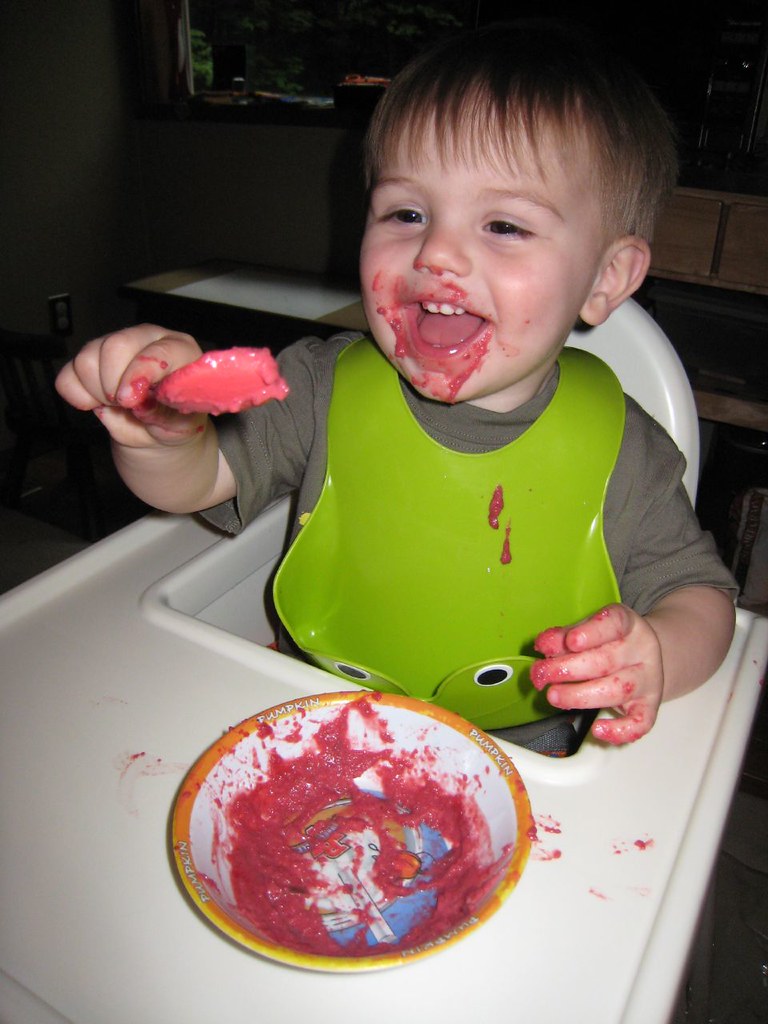
Grinning toddler joyfully self-feeding from a bowl in a high chair
Skip the purée debates. A registered dietitian explains how baby-led weaning actually works, which first foods are safest, and why the mess on the floor is part of the plan.
Baby-led weaning sounds like a lifestyle brand, but the idea is refreshingly simple: from around six months, offer your baby soft, graspable pieces of real food and let them feed themselves. No airplane spoons, no separate baby menu, considerably more food in their hair.
As a dietitian — and a twin mom who has hosed down a high chair at midnight — here is my honest guide.
Is your baby ready?
The calendar matters less than these three signs, usually appearing around six months:
- Sits upright with little or no support
- Has lost the tongue-thrust reflex (food goes in, rather than being bulldozed straight back out)
- Reaches for your food with intent — the “watching you eat like a hawk” phase
All three? You’re ready. Missing one? Wait a week or two and check again.
First foods that work
Think finger-shaped, soft enough to squish between your thumb and forefinger:
- Steamed broccoli florets with the stalk as a handle (nature’s design triumph)
- Roasted sweet potato wedges
- Banana with half the peel left on for grip
- Strips of ripe avocado, rolled in baby oat cereal so they’re actually holdable
- Well-cooked pasta spirals, iron-fortified toast fingers with hummus
Iron is the headline nutrient at this age: offer lentil patties, soft flaked salmon, slow-cooked shredded beef, or iron-fortified cereals daily.
The safety non-negotiables
- Baby sits upright in a proper high chair — never reclined, never eating in motion
- An adult stays within arm’s reach, eyes on, every single bite
- No whole nuts, whole grapes, raw apple chunks, popcorn, or anything coin-shaped and firm
- No added honey before age one; keep salt minimal
- Learn the difference between gagging and choking. Gagging is loud, red-faced, and normal — the built-in safety drill. Choking is silent. Take an infant first-aid course before you start; it converts fear into competence.
About the mess
The mess is not a bug — it is the curriculum. Squishing, dropping, and smearing are how babies map texture and build hand skills. Buy a floor mat (or recruit a dog), use sleeved bibs, and serve meals before bath time, not after. Strategy beats scrubbing.
Purées are allowed, by the way
The either/or debate is mostly an internet phenomenon. A combined approach — finger foods plus some spoon-fed purées — is safe, evidence-aligned, and how most real families actually do it. Responsive feeding (watching your baby’s cues, never forcing) matters far more than the delivery method.
Set the table for three extra minutes of chaos, and enjoy the show. Watching a baby negotiate with a broccoli floret is genuinely some of the best entertainment parenting offers.